

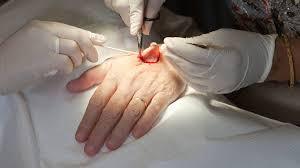

Skin cancer happens when skin cells grow in an abnormal way, often after years of sun exposure. It is the most common type of cancer, and it usually appears on areas like the face, ears, neck, and hands. Doctors may recommend Mohs surgery for certain skin cancers, especially those on the face or in places where saving healthy skin matters most. This method is also used when a cancer has come back or has edges that are hard to define. Here’s information on this surgery method and what to expect step-by-step:
How Mohs Surgery Works
Mohs surgery removes skin cancer one thin layer at a time; the surgeon then checks each layer under a microscope before deciding whether more tissue needs to be removed. The main steps include:
- Numbing the treatment area with a local anesthetic
- Removing a thin layer of skin where the cancer is
- Studying that layer under a microscope
- Removing more layers if cancer cells remain
- Stopping once no cancer cells are found
This precise, step-by-step process helps the surgeon remove all of the cancer while leaving as much healthy tissue as possible. Because the doctor examines each layer right away, you usually get results the same day instead of waiting for outside lab work. The number of layers that need to be removed varies from person to person. Some people need only one round, while others need several. The surgeon repeats the process until the samples show clear, cancer-free edges.
How This Surgery Benefits Patients
Mohs surgery is known for being precise. It focuses only on the affected area, sparing nearby healthy skin. This is helpful on the face and other visible spots where appearance and function matter. Because the removed tissue is checked during the appointment, the surgeon can confirm the cancer is gone before you leave. This approach also lowers the chance of leaving cancer cells behind, which is one reason doctors often choose it for serious or recurring cases.
What To Expect
Before Mohs surgery, your dermatologist will review your medical history and explain the treatment steps to you. You will be asked about medications you take, since some can affect bleeding. Wear comfortable clothing, and plan to spend several hours at the office, as the process can take time.
During the procedure, the area is numbed, so you stay awake but should not feel pain. After each layer is removed, you wait while the surgeon studies the sample. You will rest while waiting between rounds, and the team will let you know when more tissue needs to be taken. Once the cancer is gone, the surgeon decides how to close the wound. Some wounds are stitched, while others are allowed to heal on their own. You will receive instructions on caring for the surgical site, like keeping it clean and watching for signs of infection. Follow-up visits are necessary and help your doctor track your healing.
Meet With a Dermatologist
If you notice a new growth, a sore that will not heal, or a mole that changes shape or color, you should have it checked. A dermatologist can examine your skin and tell you whether Mohs surgery may be right for your skin condition. Bring a list of your questions and any details about past skin issues to your visit. The more your doctor knows, the better they can guide you. Early attention often makes treatment simpler, so do not wait to reach out if something looks or feels off. Contact a dermatologist today.
