

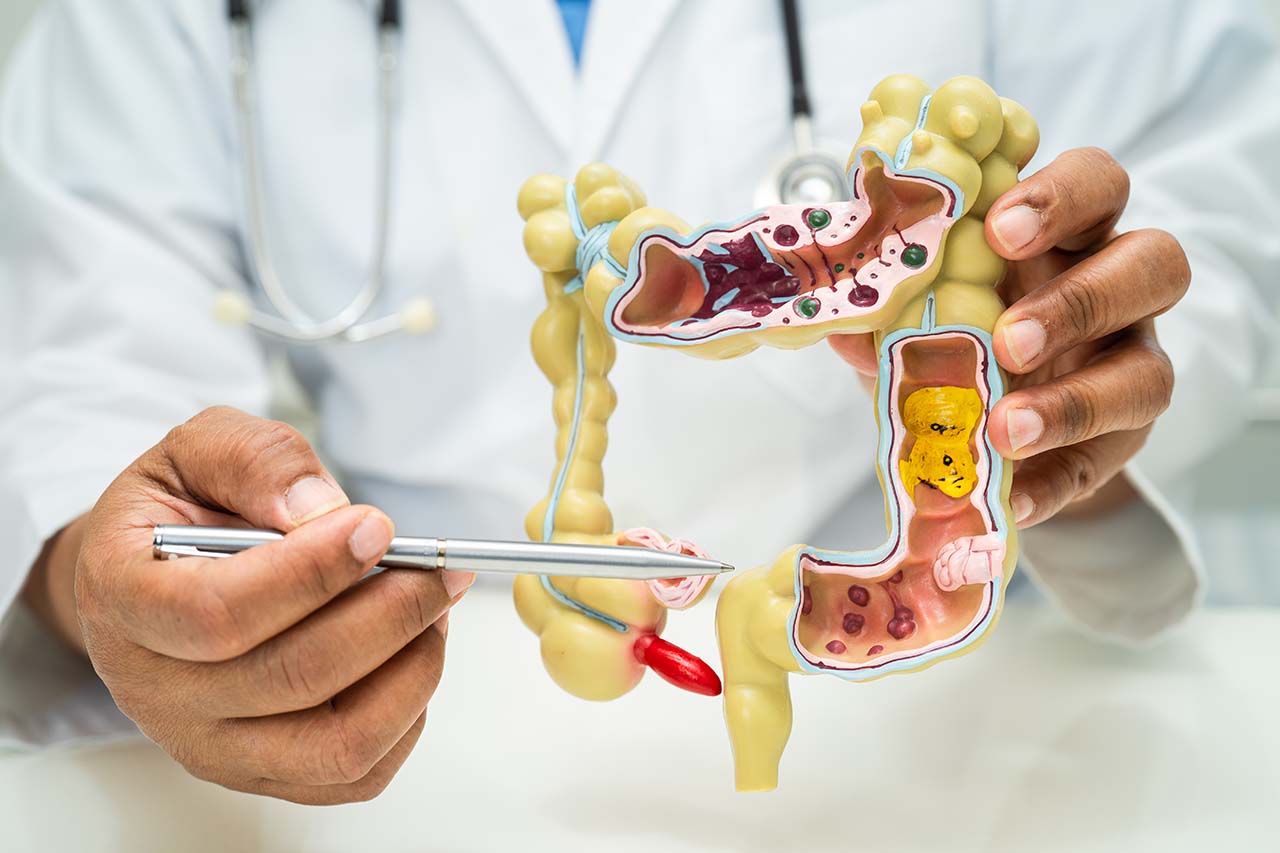

Colonoscopy helps doctors examine the inner lining of the colon and rectum, and it plays a direct role in early disease detection. Doctors use a thin scope with a camera. Since this test shows tissue in real time, it helps identify changes that stool tests may miss. Here is more information about the connection between coloscopies and detecting disease early:
Detecting Polyps
Polyps are growths in the colon, and some develop into cancer over time. Many polyps cause no symptoms. Since they often grow silently, a colonoscopy helps doctors find them before they change further. During the exam, doctors may remove polyps and send them for lab review.
Small polyps may look flat or raised, but both types matter. A doctor checks the size, shape, and location. When these details are recorded, they help guide follow-up timing and later screening plans. This process gives a clearer picture of colon health.
Screening for Cancer
Colonoscopy screens for colorectal cancer, and it does more than look for large tumors. It also detects small lesions. Since early cancers may not cause pain or bleeding, direct viewing of the colon offers useful clinical information. Tissue samples may also be taken for testing.
Doctors look for several warning signs in one exam:
- Persistent bleeding areas
- Abnormal masses
- Changed tissue color
These findings guide the next steps, and they help doctors decide whether biopsy or treatment is needed. The exam does not answer every question at once. Since lab results take time, your doctor may explain the visual findings first and add more detail later.
Catching Problems Early
A colonoscopy may reveal inflammation, and it may also show ulcers or narrowing. These findings point to more than cancer. When doctors identify these changes early, they can investigate causes such as colitis, diverticular disease, or bleeding disorders. Early findings often shape the next stage of care.
Some patients report bowel changes, but others have no warning signs. Doctors still find the disease. As symptoms do not always match the level of illness, screening helps detect problems before they become harder to manage. That timing affects follow-up tests and treatment choices.
Preparation affects what doctors see, and a clean colon improves the accuracy of the exam. The prep takes planning. If stool remains in the colon, small lesions may be harder to detect or remove during the procedure. Clear instructions help patients complete this step correctly.
Reducing Risks
Finding disease early lowers the chance of delayed treatment, and it gives doctors more time to track changes. Colonoscopy does not remove all risk. Because disease patterns vary by age, family history, and medical history, screening intervals differ from person to person. Your doctor uses these factors to set a schedule.
You may also lower procedural problems with a few practical steps:
- Follow the bowel prep exactly
- Share your medication list
- Ask when to stop blood thinners
These steps support a clearer exam, and they help the care team plan safely. The test still carries limits. Because no screening method is perfect, doctors combine results with symptoms, history, and lab data.
Schedule a Colonoscopy
Colonoscopy connects directly to early disease detection, and it gives doctors a close view of the colon. The test finds polyps, cancer, and other bowel problems. Because timing matters in colon disease, routine screening and symptom-based exams both have a clear role in care. Talk with your doctor about your age, risk level, and screening schedule today.
