

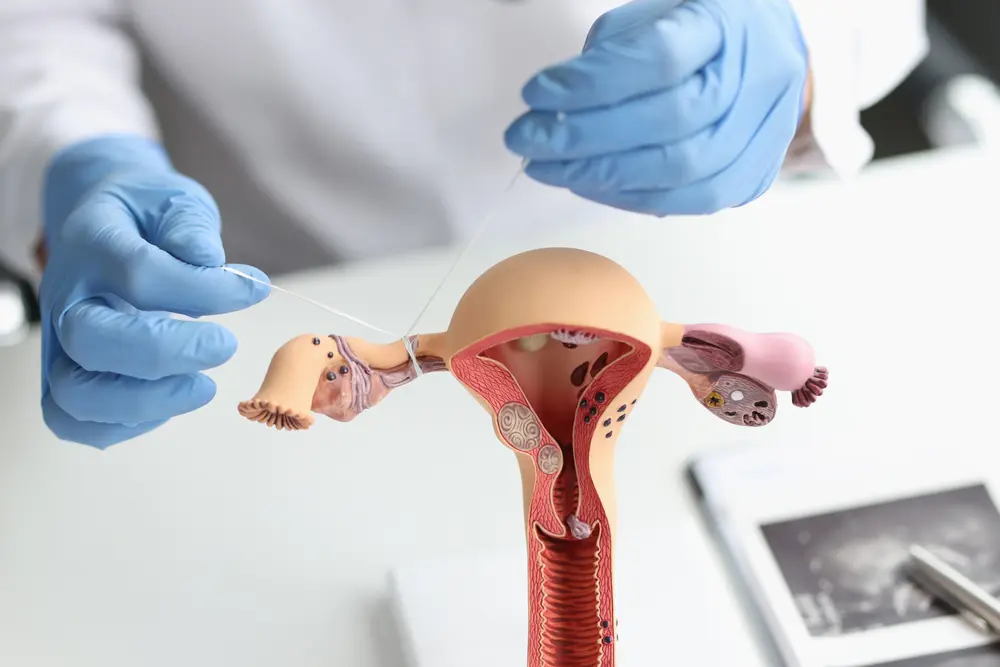

Tubal reversal is a surgical procedure that may restore fertility after a previous tubal ligation. For some women, blocked or tied fallopian tubes contribute to infertility by preventing the egg and sperm from meeting naturally. Understanding how tubal reversal relates to infertility can help patients explore their options and make informed decisions about their reproductive health.
Tubal Ligation and Fertility
Tubal ligation blocks the fallopian tubes to stop sperm from reaching an egg. This method is a permanent birth control, yet life circumstances may change. When patients desire future pregnancies, they must deliberate on the available medical options. Tubal ligation directly causes structural infertility; the surgery alters the reproductive anatomy and prevents natural conception from occurring.
Some patients undergo this procedure without anticipating future infertility. The ligation creates a physical barrier within the pelvic region. If individuals wish to conceive later, they require specialized medical intervention to bypass this blockage. Providers evaluate the original type of surgery and review the patient’s current health status.
Tubal Reversal Possibilities
A tubal reversal is a microsurgery to remove the blocked segments of the fallopian tubes. Surgeons reconnect the healthy sections to restore the anatomical way for eggs and sperm. Although the procedure is precise, success rates vary among several patients. Age is a key factor during this restorative process; younger patients generally experience higher rates of successful conception following the operation.
The length of the remaining fallopian tubes also greatly influences the final surgical outcome. Longer tubes provide a better chance for successful fertilization, so surgeons measure these segments carefully. If the remaining sections are too short, natural conception remains unlikely. Patients undergo thorough imaging tests to confirm the condition of their reproductive organs.
Infertility Factors To Review
Before they approve a reversal surgery, medical professionals evaluate several infertility variables. These elements determine the overall probability of a healthy pregnancy. Patients must review these specific infertility components and discuss the details with their doctor. The following factors are the primary variables that impact post-surgical conception and reproductive success:
- Patient Age: Advanced maternal age is associated with decreased egg quality and overall conception rates.
- Male Factor Infertility: A semen analysis is fundamental to confirm that the male partner possesses adequate sperm count and motility.
- Pelvic Scar Tissue: Prior abdominal surgeries sometimes leave scar tissue that hinders the normal function of the fallopian tubes.
- Egg Quantity: Blood tests measure ovarian reserve to verify the remaining supply of viable eggs.
A detailed review of these elements helps patients set realistic expectations for their infertility journey. When doctors identify multiple factors for infertility, they often recommend alternative fertility treatments.
Treatment Planning and Alternatives
Sometimes a tubal reversal is not the most effective medical approach. In vitro fertilization (IVF) offers a highly successful alternative for some patients. IVF bypasses the fallopian tubes entirely, and the laboratory handles fertilization. The IVF process involves retrieving eggs directly from the ovaries for clinical fertilization.
Patients collaborate with specialists to select the best approach; a comprehensive treatment plan includes diagnostic testing, physical exams, and detailed laboratory work. While some couples choose surgery, others proceed directly to advanced reproductive technologies; both options require careful deliberation and clinical oversight.
Schedule Your Infertility Appointment Today
Tubal reversal surgery offers a viable approach for individuals seeking to restore fertility. Medical professionals carefully evaluate each case, and they identify the most appropriate interventions. If age or pelvic scarring presents major obstacles, clinics offer alternative solutions like IVF. Contact a trusted infertility specialist near you to schedule your appointment today.
