

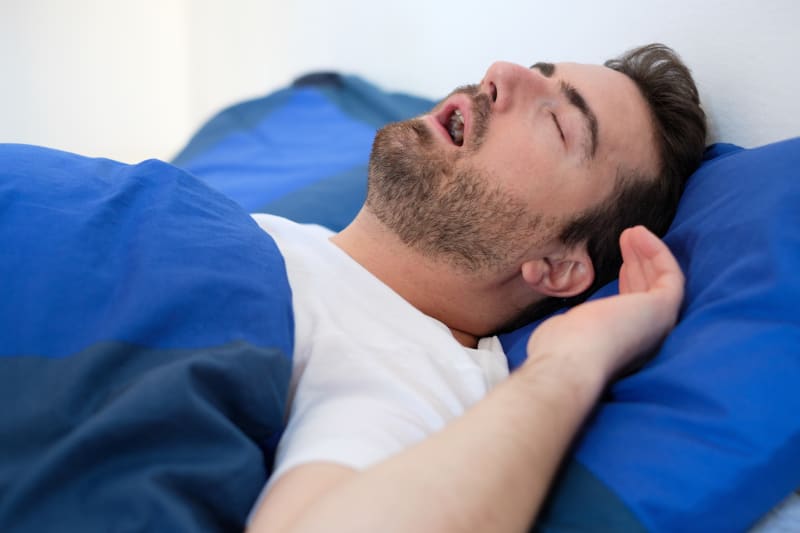

Sleep apnea is a sleep-related breathing disorder; it’s marked by repeated pauses in breathing during the night. These pauses may lower sleep quality, raise daytime fatigue, and affect how the body functions over time. In many cases, a dentist will notice signs linked to the condition during a routine exam. Here are some questions to ask your dentist about sleep apnea:
Do I Show Signs of Sleep Apnea?
Understanding the common signs and symptoms of sleep apnea helps identify the condition and guide appropriate treatment. A dentist may see clues such as:
- A scalloped tongue
- Worn teeth from grinding
- A small lower jaw,
- Tissue patterns associated with airway obstruction
Some patients also have oral structures that leave less room for the tongue during sleep. This often increases the risk of airway obstruction, and your dentist may refer you to a physician for a sleep study to obtain a formal diagnosis. You can also ask your dentist if your symptoms match the condition. Loud snoring, waking up with a dry mouth, and daytime drowsiness are common indicators. If a bed partner has noticed gasping or pauses in breathing, mention that too.
What Are My Treatment Options?
There are several treatments available to help manage sleep-related breathing disorders. Recommendations often depend on the disorder’s severity and findings from a sleep study. One option is oral appliance therapy; a custom device is worn during sleep to move the lower jaw forward and help keep the airway open. Ask how the device fits, how often adjustments are needed, and what follow-up visits involve.
Another question to ask is if you need care from more than one provider. Dentists may work with sleep physicians, primary care doctors, and other specialists. In some cases, a CPAP machine or another approach is discussed. Ask where dental treatment fits within that broader plan, and what coordination looks like between your dentist and sleep physician.
How Does the Condition Impact My Oral Health?
Sleep apnea affects more than breathing, and it can be related to several oral health concerns. Ask your dentist whether your exam findings indicate damage related to disrupted sleep or mouth breathing. Mouth breathing at night often leads to dry mouth. Reduced saliva increases the risk of cavities, gum irritation, bad breath, and soft-tissue discomfort. Teeth grinding is another issue to ask about. Some patients with sleep-disordered breathing clench or grind during sleep, which wears down enamel and increases tooth sensitivity. If your mouth shows these patterns, your dentist may recommend additional cleanings, fluoride products, or a night appliance.
Get a Dental Evaluation
Snoring, dry mouth, morning headaches, or heavy daytime fatigue may indicate sleep apnea. A dental exam helps reveal airway-related findings that warrant further review. Your dentist can also explain whether an oral appliance is appropriate and if you need a referral for sleep testing. Tracking treatment progress improves long-term outcomes, and coordinated communication between providers enhances overall care quality. Schedule a dental visit today to discuss sleep apnea and how it may be affecting your oral health.
