

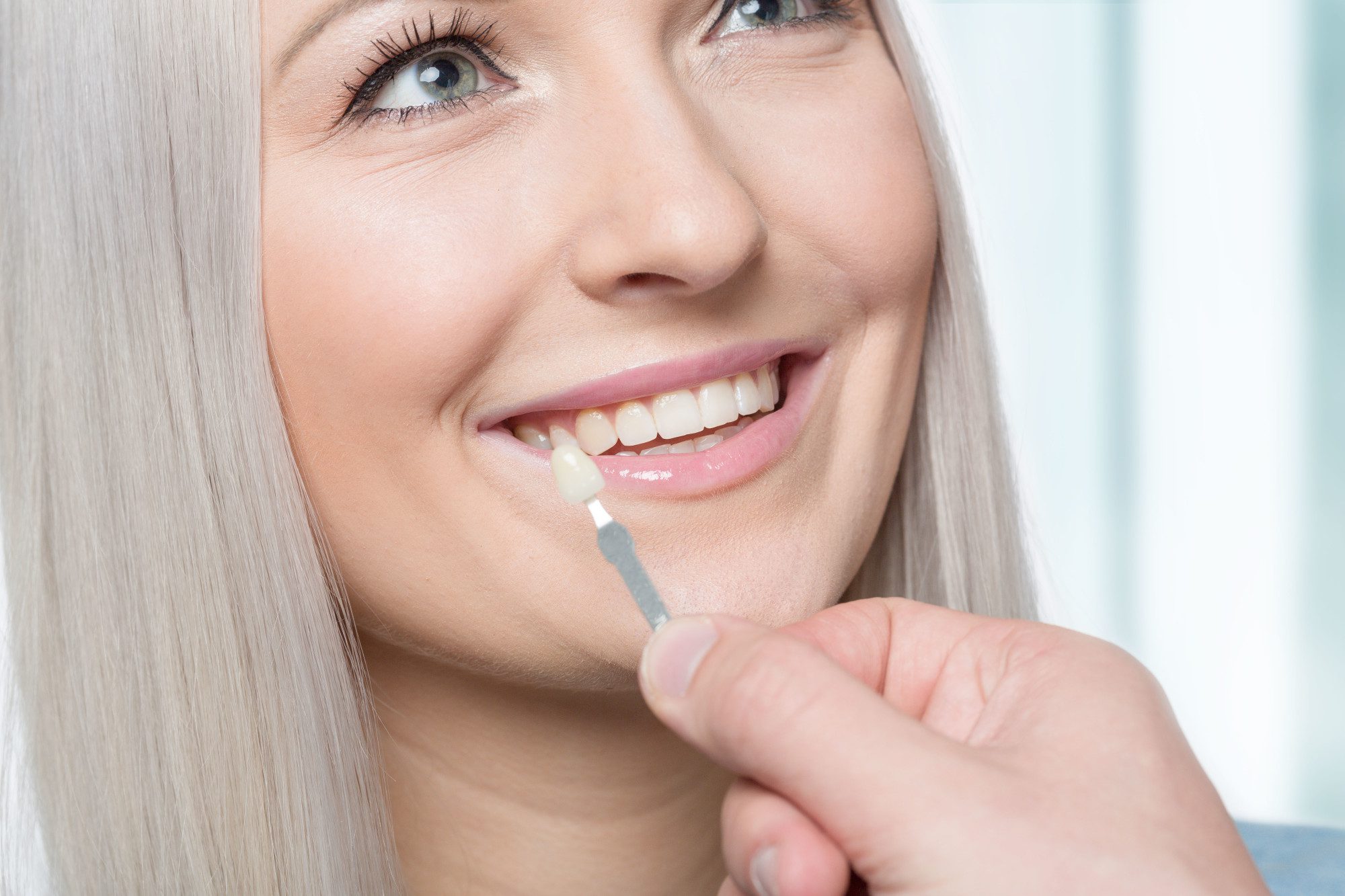

Veneers need steady care. Small habits matter, and poor habits affect how they function. Since there are common mistakes, learn how to avoid them.
What Habits Should Stop?
Some habits put extra force on veneers. These actions might seem minor, but over time, they cause chips or cracks. Even holding pens or pencils between your teeth creates similar problems, since repeated stress weakens the bonding.
- Biting fingernails or chewing on ice and hard candy increases the risk of veneer damage.
- Using your teeth to open packages or bite non-food items can put pressure on your veneers.
- Frequent snacking on hard foods, such as nuts or popcorn kernels, can shorten the lifespan of the veneer.
- Holding objects, such as pens or jewelry, with your teeth may cause chips or cracks.
Frequent hard foods increases the risk of veneer damage. You may not notice small chips right away, but regular wear shortens the lifespan of your veneers. Try cutting hard foods into smaller pieces, and avoid biting down directly. Chewing on non-food items, like plastic or your own jewelry, might be a habit you do unconsciously. Pay attention to these routines. Some grind or clench your teeth, so talk to your dentist.
Why Is Care Needed?
Mouth protection may be overlooked, but it is used for preserving your veneers. If you play sports, always wear a mouthguard, as contact or accidental falls can damage both veneers and natural teeth. Even low-contact activities bring unexpected impacts; a mouthguard reduces force and helps prevent chips or cracks. Mouthguards are useful in team sports, but also when you cycle, skate, or do things with a risk of falling. Ask your dentist about the differences, since a proper fit gives better protection. Keep the mouthguard clean, because cleanliness affects oral health and appliance longevity.
Replace your mouthguard at the first sign of wear, since cracking can occur. Children and teens may need to replace theirs more often, so update them as orthodontic changes occur. Use a nightguard if you grind your teeth, since nighttime clenching puts pressure on veneers. Talk with your dentist about the best options for your activities and lifestyle. By taking these steps, you lower your risk of damage and help maintain your veneers for years.
What Daily Maintenance Exists?
Daily care supports veneers and the teeth under them. Brush twice daily with fluoride toothpaste, and clean between your teeth every day. Use a soft-bristled toothbrush because it is gentle on veneers and gums. Electric toothbrushes give consistent pressure and effective plaque removal. Use floss or interdental brushes to remove plaque and food from between teeth, reaching areas a brush cannot. If you have trouble flossing, try floss picks or water flossers for easier, more consistent cleaning. Your dentist recommends brands for your specific needs, so ask questions. Schedule regular dental check-ups and cleanings to monitor veneers and address issues early. Limit beverages that can stain or discolor veneers. Drink water during and after meals. This can reduce the impact of acidic foods.
Discuss Veneers today
Good veneer care depends on routine. Avoid hard objects, protect your mouth during sports, and keep up with daily cleaning. Choose ADA-accepted products, and watch out for foods and drinks that can stain. If you have veneers, review your habits. At your next dental visit, ask your dentist to check your veneer care routine.
