

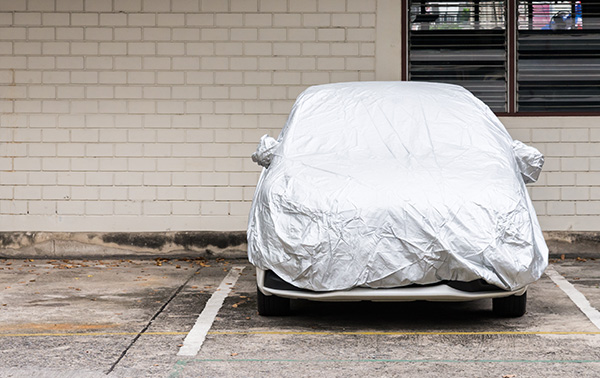

Preparing a car for storage involves more than simply parking it, and taking the right steps helps protect its condition over time. This includes cleaning the exterior and checking tire pressure. Since weather, dust, and inactivity affect vehicle components differently, proper preparation is key to storage for cars. Here are a few tips on how to prepare your car for storage:
Choose the Storage Option
Choosing a suitable storage facility for your car ahead of time allows you to prepare to protect the vehicle while it is in storage. Preparing a car for long-term storage typically requires adding fuel stabilizers, sealing the tires, and using climate controls. Choosing a facility with interior climate controls allows owners to store vintage or luxury vehicles whose interiors are more susceptible to damage caused by high heat and humidity.
Clean the Car Surfaces
Cleaning the car’s surfaces before it enters storage removes materials that can damage its appearance and structure over time.Clean the car’s exterior to eliminate dust, dirt, and any possible contaminants that could react with water or oils and cause etching or surface marks. Carpets and seats can trap moisture, leading to unpleasant odors or mildew.
Vehicles parked outside benefit from waxing to protect the paint from UV exposure damage while in storage. Insects, trapped water, and other materials that stain the underbody surfaces or cause corrosion are removed by a pre-storage clean. Stains on glass surfaces are also cleared prior to storage so they don’t become permanent. Drying the vehicle before storage helps limit trapped moisture on the paint, glass, and underbody surfaces, helping it to remain in good condition on the exterior.
Prepare the Vehicle Systems
Completing a mechanical checklist reduces the risks posed to the systems while a vehicle is in storage for cars. Engine oil, coolant, and other fluids support vehicle storage because fresh fluids circulate cleanly during regular use and reduce prolonged exposure to contaminants. Recommended tire pressure supports storage preparation because cold and wet conditions can reduce pressure and place more strain on the tire surface. Taking off the tires and storing them vertically may be an additional step for long-term storage. Releasing the parking brake during storage reduces prolonged contact between the brake pads and rotors.
Remove the Cabin Items
Clearing personal items from the cabin and trunk helps keep the car organized. Cosmetics and household products are also prone to leaking after prolonged exposure to heat or cold. Clearing the car prevents the interior from functioning as an extra storage room and maintains the car’s organization.
Arrange the Parking Setup
Arranging the positioning of your car in the storage unit maximizes the space for inspection access. Centering the vehicle creates room to move around it during visits. Leaving space between the car and stored gear allows easier access and inspection. Keeping tire, battery, and oil accessories together on one side of the unit makes routine checks easier during return visits. Confirming the vehicle space accommodates future visits helps deter accidents from rushed movements or tight squeezes.
Find Storage for Cars
Find storage for cars at a facility that matches your vehicle size, storage timeline, and protection needs. A suitable unit supports better vehicle preparation and gives your car a more stable place to remain between uses. Prepare your vehicle for storage today to keep it in working condition even after long periods of inactivity.
